


After 20 years of renovating properties across the UK, France, and Portugal, I’ve learned that extending a townhouse in the Algarve is a completely different beast to what you might be used to back in the UK.
The rules are different, the climate demands different solutions, and the potential is genuinely exciting when you approach it properly.
Let me walk you through everything I’ve learned about Algarve townhouse extensions: the good, the challenging, and the absolutely worth it.

Why Extend Your Algarve Townhouse?
Making the Most of Your Investment
If you’ve bought a townhouse in the Algarve, chances are you fell in love with the location but found the space a bit… cosy. Portuguese townhouses, particularly older ones, were built for a different era and different family sizes.
An extension can transform a cramped property into something genuinely special without the hassle and expense of moving. You’re already in the right location: now you just need the right amount of space.
Adding Serious Value
Here’s something I’ve seen time and again: a well-executed extension in the Algarve can add significantly more value than it costs to build. The rental market particularly loves properties with extra bedrooms, modern living spaces, and outdoor areas.
With tourism booming and remote workers flooding into Portugal, the demand for quality accommodation is only going up. Your extension isn’t just about lifestyle – it’s a smart financial move.
Creating Indoor-Outdoor Living
This is where the Algarve really shines compared to places like the UK. You’ve got 300 days of sunshine a year. An extension that properly connects your indoor and outdoor spaces (think covered terraces, bifold doors, and seamless transitions to pool areas) is pure gold here.
I’ve done countless UK extensions where outdoor space is a bonus. In the Algarve, it’s the whole point… However in the Algarve overheating is a big consideration, if you design and extension with a high glass ratio ensure the glass is correctly specified to prevent overheating
Understanding Portuguese Planning Rules
It’s Not Like the UK (At All)
Right, let’s get this straight from the start: forget everything you know about UK planning permission. The Portuguese system operates completely differently, and you need to get your head around it before you do anything else.
In Portugal, you’re dealing with the Câmara Municipal (town hall) and you’ll need to work within the PDM (Plano Director Municipal), essentially the local development plan. Each municipality has its own rules, and they can vary wildly.
The PDM and Building Allowances
Portuguese planning is all about building allowances and percentages. You’ll hear terms like “área de implantação” (footprint area) and “área bruta de construção” (gross construction area). These determine how much you can build on your plot.
Most townhouses sit within urban areas where there are strict limits on what percentage of your land you can cover and how tall you can build. In tourist areas like Albufeira or Lagos, the rules can be even tighter to preserve the character of the town and surrounding area.
Listed Buildings and Historic Centres
If your townhouse is in a historic centre (and many Algarve townhouses are), you’re entering a whole different level of complexity. These areas have protected status, and extensions need to respect the traditional architecture.
I’ve worked on projects where we’ve had to match traditional roof tiles, use specific render finishes, and maintain facade proportions. It’s doable, but you need patience and expertise.
Types of Townhouse Extensions That Work
Rear Extensions
This is often the most straightforward option for Algarve townhouses. Extending backwards into your courtyard or garden creates additional living space without affecting the street-facing facade.
I’ve seen brilliant rear extensions that add open-plan kitchen-diners, extra bedrooms, or master suites. The key is integrating outdoor space: a covered terrace or pergola that extends your living area into the sunshine.
Roof Terraces and Conversions
Many Algarve townhouses have flat roofs that are criminally underused. Converting this space into a roof terrace can give you stunning views and valuable outdoor entertaining space.
You’ll need structural assessment to ensure the building can handle the load, proper waterproofing (essential in Portugal despite what people think), and safe access. But the payoff is enormous.
Basement Conversions
Not all townhouses have basements, but if yours does, it’s prime real estate. The cooler temperature makes them perfect for wine cellars, gyms, cinema rooms, or additional guest accommodation.
Portuguese building regs for basement conversions focus heavily on damp-proofing and ventilation. Get this wrong and you’ll have problems. Get it right and you’ve added serious functional space.
Vertical Extensions
Adding an extra floor is possible but comes with significant challenges. You’ll need structural calculations to ensure the existing walls can carry the load, and you’ll face much stricter planning scrutiny.
In historic centres, this is often a non-starter. In newer developments, you might have more luck, but expect detailed architectural plans and lengthy approval processes.
The Reality of Building in Portugal
Bureaucracy Takes Time
I’m not going to sugarcoat this: Portuguese bureaucracy is slow. Planning approval can take anywhere from three to twelve months, sometimes longer if you’re in a protected area or if the Câmara requests changes.
Factor this into your timeline. Don’t book builders until you have approval in hand. I’ve seen too many people get caught out assuming UK timescales apply here.
You Need Portuguese Professionals
This isn’t a DIY job, and it’s not something your mate from the UK can handle unless they’re registered in Portugal. You need a Portuguese architect (arquitecto) to design and submit your plans, and ideally a project manager who understands local building practices.
Trying to cut corners here will cost you more in the long run. Trust me: I learned this the hard way on my first Portuguese project.
Building Methods Are Different
Portuguese construction favours concrete and block work over timber frames. The climate demands it: termites, humidity, and temperature extremes make timber less practical.
Here are 7 Costly Mistakes to Avoid When Hiring a Builder
This means different build times, different costs, and different trade skills. What might take six weeks in the UK could take three months here, but you’re getting a building that’s suited to the environment.
The Climate Is Your Friend (Mostly)
Building in the Algarve means you can work almost year-round without weather delays. No frozen ground, no endless rain stopping play. This is a massive advantage over UK projects.
However, summer can be brutally hot for workers, so many builders slow down in July and August. Plan your build schedule around this.
Design Considerations for Algarve Extensions
Thermal Performance
Everyone focuses on keeping heat in during UK extensions. In the Algarve, you want to keep it out. This means serious insulation, proper window placement, and strategic shading.
I normally spec external shutters, covered terraces, and cross-ventilation. These aren’t luxuries: they’re essential for comfortable living without air-con running 24/7.
Indoor-Outdoor Flow
Your extension should blur the boundaries between inside and outside. Large sliding or bifold doors, covered outdoor dining areas, and easy access to pools or gardens make Algarve properties special.
Think about how spaces connect. The best extensions create a seamless flow from kitchen to terrace to pool, making outdoor entertaining effortless.
Traditional vs Modern Aesthetics
You’ll need to decide whether to match the existing traditional architecture or create a contemporary contrast. Both can work brilliantly, but your location and planning requirements will influence this.
In historic centres, you’ll likely need to maintain traditional aesthetics on street-facing elevations. At the rear, you might have more freedom to go modern.
Water and Pool Integration
If you’re adding a pool (and why wouldn’t you?), integrate it properly with your extension. I’ve designed extensions where the kitchen flows onto a terrace that overlooks the pool: perfect for keeping an eye on kids or entertaining guests.
Portuguese pools need proper licensing and safety measures. Factor this into your overall project planning.
Costs and Budgeting
What to Expect
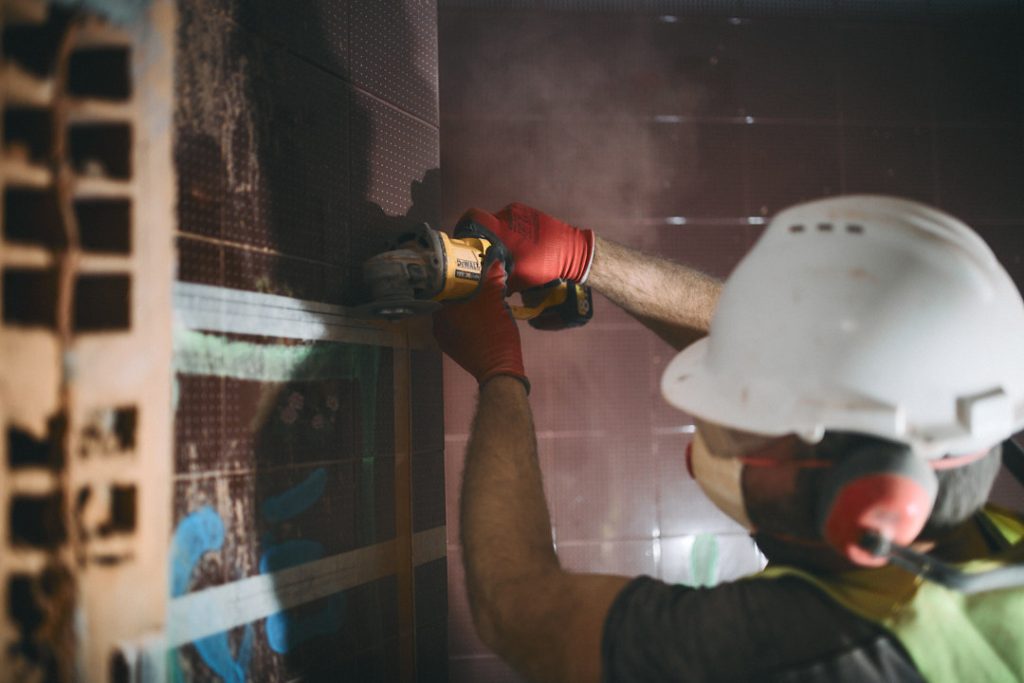
Algarve building costs are generally lower than the UK but higher than you might expect for Portugal. As of 2025, you’re looking at roughly €2500 – €4000 per square metre for a high-quality extension, depending on finishes and complexity.
That’s significantly cheaper than London or the South East, but not drastically different from the rest of England. The savings come more from labour costs than materials.
Hidden Costs to Watch For
Portuguese projects have their own set of potential cost blowouts. Structural issues in older townhouses, upgrading inadequate infrastructure (electrics, plumbing, sewerage), and dealing with planning changes can all add up.
Always budget 10-20% contingency. You’ll probably need it.
Financing Your Extension
UK mortgages won’t help you here. You’ll need Portuguese financing or to use cash/equity from UK properties. Portuguese banks will lend for renovation projects, but the process is different and often slower than UK mortgages.
Get financial advice early. Don’t start planning until you know how you’re paying for it.
Common Mistakes to Avoid
Starting Without Proper Approval
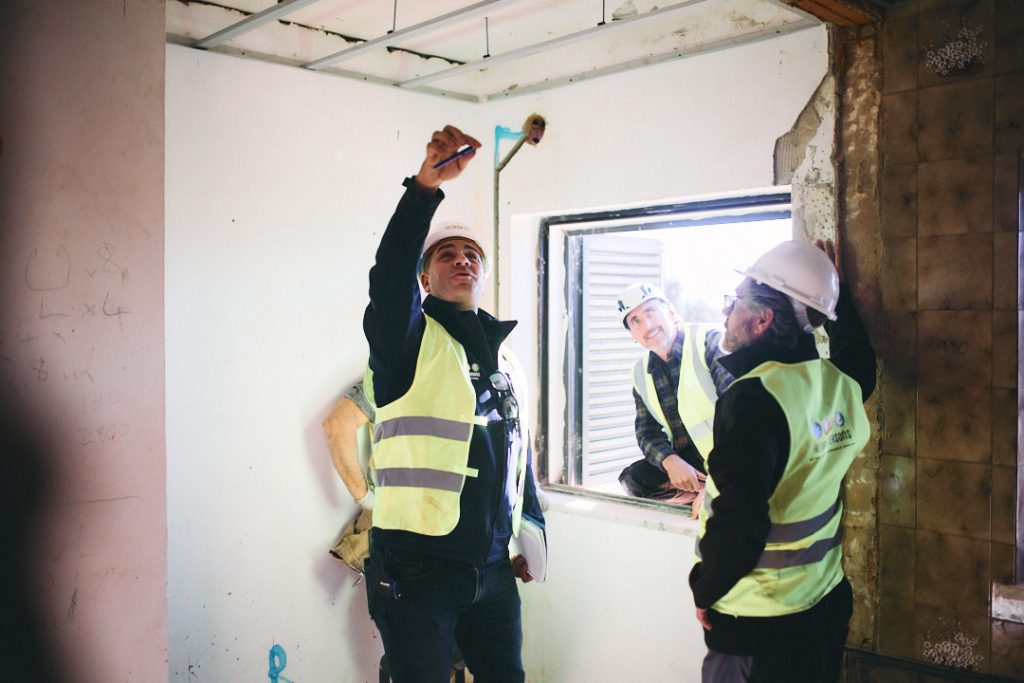
I’ve seen people begin work with “verbal approval” or because their builder said it was fine.
Don’t.
The Câmara can and will issue stop-work orders, fine you, and potentially demand you demolish unauthorised work.
Underestimating Timescales
Algarve projects take longer than UK ones. Between planning delays, slower building methods, longer procurement times and the Portuguese relaxed approach, what you think is a six-month project might take a year.
Choosing Builders on Price Alone
The cheapest quote is rarely the best value. Portuguese builders vary enormously in quality. Get recommendations, see previous work, and ensure they’re properly insured.
Ignoring Traditional Features
Old Algarve townhouses have beautiful traditional features: tiles, terracotta, exposed stone. Ripping everything out for a modern look isn’t always the answer and if not considered and designed very carefully, can actually reduce value.
Poor Waterproofing
Despite 300 days of sun, when it rains in the Algarve, it really rains. And being close to the sea means high humidity. Proper waterproofing and damp-proofing are absolutely essential.
Making Your Extension Work for Rental Income
Design for Flexibility
If you’re planning to rent your property (and lots of Algarve owners are), design your extension with rental guests in mind. Extra bedrooms with en-suites, separate guest entrances, and low-maintenance finishes all add value.
AL Licensing
If you’re doing short-term tourist rentals, you’ll need AL (Alojamento Local) licensing. The requirements have tightened significantly, and your extension needs to meet specific standards.
Factor this into your design from the start—trying to retrofit requirements later is expensive and sometimes impossible.
Outdoor Entertainment Spaces
Rental guests expect outdoor space in the Algarve. Your extension should maximise this: covered dining areas, BBQ facilities, quality pool surrounds, and comfortable outdoor furniture zones.
Is a Townhouse Extension Right for You?
When It Makes Sense
Extending is brilliant if you love your location, the property has good bones, and the numbers stack up. It’s particularly smart in prime areas where buying larger is prohibitively expensive.
If you’re planning to keep the property long-term or use it for rental income, the investment usually pays off handsomely.
When It Doesn’t
If your townhouse has serious structural issues, if planning restrictions make your desired extension impossible, extending might not be your best option.
Final Thoughts
Extending a townhouse in the Algarve is one of the most rewarding projects you can undertake – but only if you go in with your eyes open. The combination of Portuguese bureaucracy, different building methods, and climate-specific design requirements means this isn’t something to rush into.
Take your time finding the right professionals, understand the planning process thoroughly, and design something that genuinely suits the Algarve lifestyle. Done right, you’ll create a property that not only meets your needs but potentially becomes a valuable asset in one of Europe’s most desirable locations.
After over 20 years and dozens of renovations across three countries, I can tell you that Algarve extensions offer something unique: the chance to create a home that’s built for sunshine, designed for outdoor living, and perfectly positioned in one of the world’s best climates.
Just remember: patience, planning, and working with professionals.
Get those three things right, and your townhouse extension will exceed your expectations.

